
Body Lift
A personal choice. Understand the options, preparation, recovery and limits.
01 · The basics
Understanding body lift
A body lift removes excess sagging skin and selected fat and repositions supporting tissues. It addresses laxity after weight loss, aging, sun damage, pregnancy or inherited changes, not an ideal body shape.
One term, several possible operations
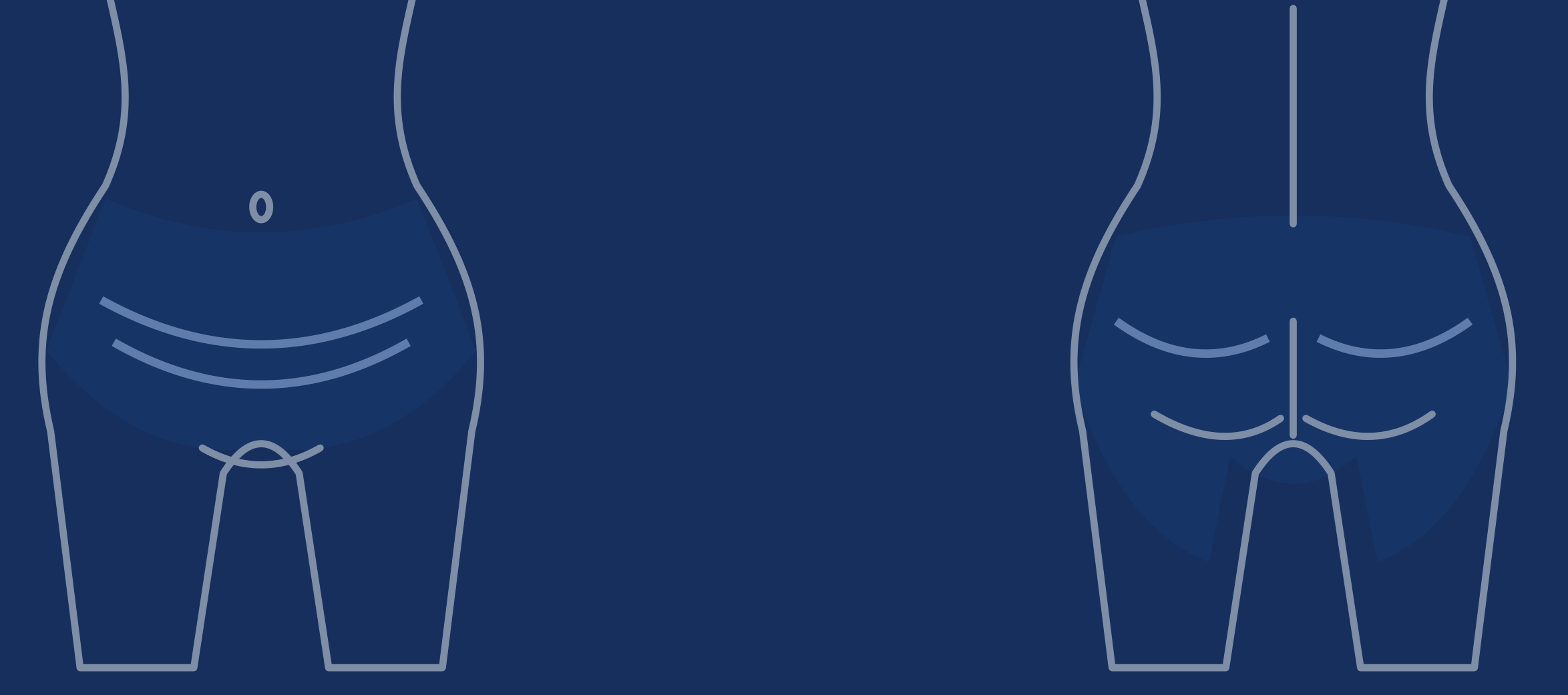
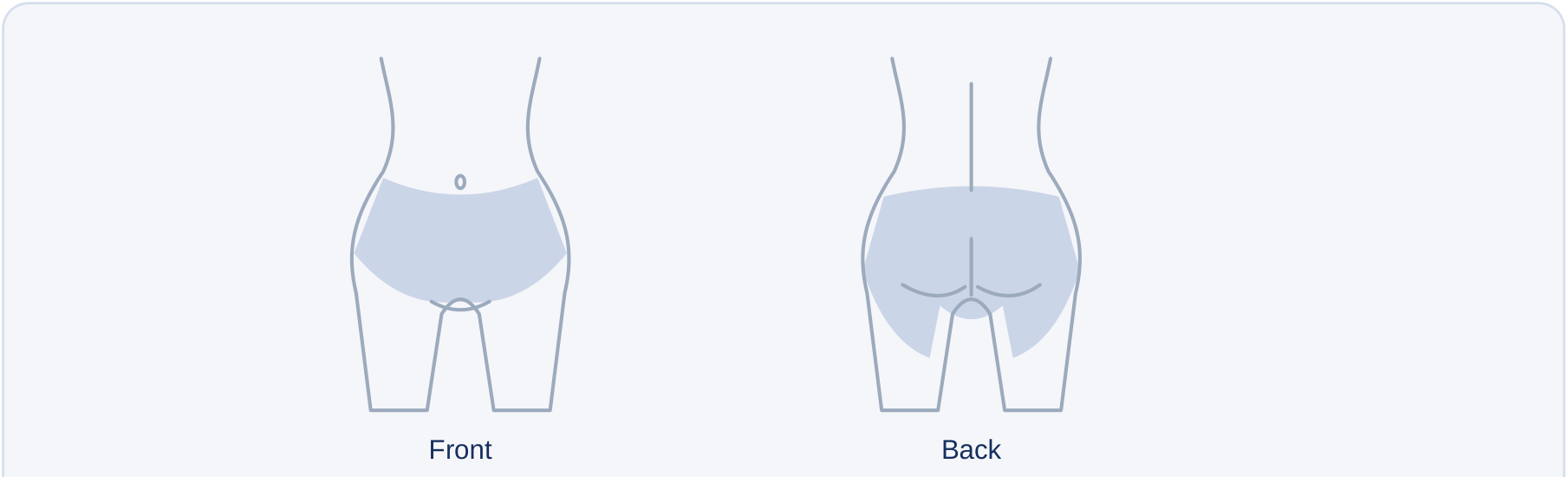
“Body lift” is an umbrella term. A common lower body lift, or belt lipectomy, addresses the lower abdomen, flanks, lower back, buttocks and outer or posterior upper thighs. It does not automatically treat the groin, all inner-leg skin, breasts, arms or the entire body. Separate operations or stages may be appropriate.
What it can (and cannot) do
It is not weight-loss surgery or fat removal alone. It may improve some skin irregularity, but does not reliably eliminate cellulite or stretch marks. Marks on removed skin may be removed with it; others remain. When fat is the main concern and skin elasticity is good, liposuction alone may suit. With lax skin, excision is needed; selected liposuction may be combined judiciously.
Who may be a candidate?
Healthy adults of any gender with stable weight, realistic goals, adequate nutrition and no smoking may be considered. Conditions affecting healing require review. After major weight loss or bariatric surgery, nutritional assessment may be needed. Discuss rashes or skin symptoms, future weight changes and pregnancy plans; timing is individual, not a fixed waiting rule.
Your own choice
Surgery is optional. Choose it for your own functional or aesthetic goals, not pressure from others. A change in appearance does not guarantee confidence or satisfaction.
02 · Before surgery
Consultation & preparation
A clear discussion of your health, goals and daily support needs helps define a proportionate surgical plan.
Bring your full history
Discuss medical conditions, allergies and treatments; all medicines, vitamins and herbs; alcohol, tobacco, vaping, nicotine and drug use. Include previous abdominal or thigh surgery, weight-loss pattern and bariatric procedures, nutrition, skin symptoms, healing problems, clots and leg swelling. Share concerns or anxiety openly.
What your surgeon will review
Expect an examination, measurements and medical photographs, with discussion of options, alternatives, anesthesia, incision extent, possible staging, recovery, risks and limits. Agree which regions will (and will not) be treated.
- Individual tests
- Medicine review
- Nutrition & nicotine
- Ride & adult support
Prepare with your team
Medical evaluation, laboratory tests and nutrition assessment are arranged as indicated. Manage chronic conditions individually. Aspirin, anti-inflammatory medicines and herbs can increase bleeding: never stop prescribed treatment without the prescriber’s agreement. Follow a medically agreed smoking, vaping and nicotine cessation plan. Confirm fasting, washing and medication instructions.
Facility & anesthesia safety
Ask about an appropriately licensed or accredited surgical facility, qualified anesthesia staff, monitoring and emergency transfer arrangements. Hospital care, outpatient surgery or an overnight stay depends on health and surgical extent; same-day discharge is not guaranteed.
Plan help before booking
Arrange a ride and a responsible adult for at least the first night, with longer support as needed. Major recovery should not be unattended. Plan help with daily activities, children, pets and household tasks. Confirm follow-up, after-hours contact and an emergency plan.
03 · On the day
Procedure & incision plan
The operation is tailored to the location and amount of loose skin. It need not be one large operation or a full circumferential lift.
Anesthesia
Intravenous sedation with local anesthesia may suit selected limited procedures; general anesthesia may be used for major surgery. The surgical and anesthesia team chooses according to extent and health.
Incision & tissue repositioning
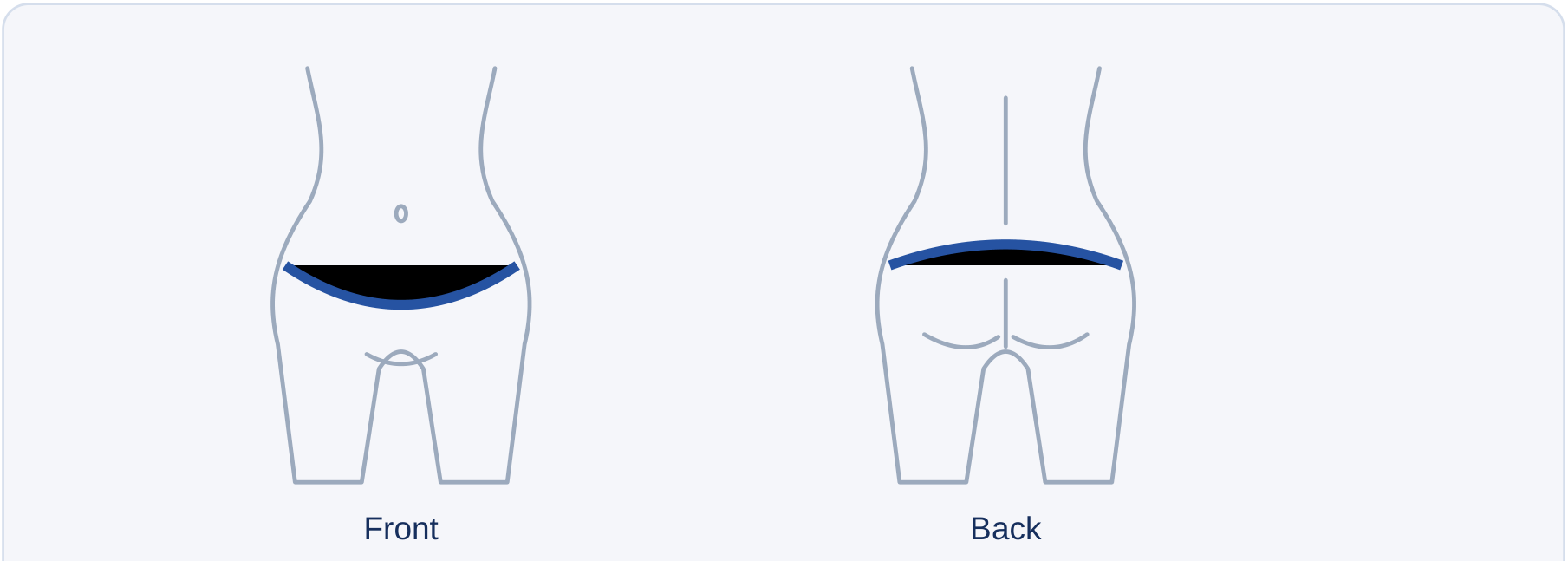
In a common lower body lift, an incision around the low trunk removes a belt or apron of excess skin and selected fat and repositions abdominal, buttock and lateral-thigh tissues. This is a skin-and-tissue lift, not buttock fat injection or implant augmentation. Liposuction is an additional, selected procedure.
Support & closure
Deep soft-tissue sutures support the new contours; this does not mean cutting or routinely tightening thigh muscles. Abdominal fascial repair or navel repositioning is considered only if abdominal findings warrant it. Layered sutures, adhesives, tapes or clips close the skin; selected drains, dressings and a prescribed garment may be used.
Early change, gradual result
Swelling masks early contour changes. Scar and contour maturation takes months, sometimes one to two years or longer, individually, not a mandatory two-year wait for everyone.
Discuss the permanent scar
Scars may be extensive and permanent. Position and clothing preferences should be discussed; concealment cannot be guaranteed. The example is not every possible incision pattern.
04 · After surgery
Recovery & results
Recovery may take weeks; contour and scar maturation take months. Your written care plan (not a universal timetable) guides each step.
Early care
Dressings protect the wounds. Drains may remove blood or fluid; learn care and output recording if requested.
Review & activity
The team decides when dressings, drains or sutures can be removed and how activity progresses.
Settling over time
Bruising, soreness, swelling and numbness may last weeks. Contours and scars may mature over one to two years or longer.
Protect healing tissues
Clean wounds as instructed; do not massage open wounds or add treatments without approval. Do not adjust or remove drains yourself. Use a garment only as prescribed: avoid excessive pressure or tightness and check skin as directed. Avoid incision tension, rubbing, excessive movement or bending, heavy loads, straining and lifting children until cleared. Keep pets from pulling drains and arrange home help.
Use gentle mobility as cleared; the team individualizes clot prevention. Bed rest is not the default. After abdominal work, a slight forward bend may be advised; do not force an upright posture. Do not drive with impairing pain medicines; resume only when cleared and able to respond safely.
Ask before resuming
Where will I recover, and what medicines are prescribed? How should I wash, shower or bathe with dressings, drains and a garment? When are stitches removed and follow-up due? Ask individually about work, travel, driving, exercise and lifting. Drain removal depends on healing and output, not a fixed week.
Results without guarantees
Scars can fade but do not disappear. Stable weight and healthy habits may support results, but aging, pregnancy and weight changes can cause recurrent laxity. Revision may be needed; no permanent result is promised.
When to seek help
Shortness of breath, chest pain or unusual heartbeats: seek immediate emergency medical attention. New painful one-sided leg swelling needs prompt urgent assessment for a possible clot, not reassurance as ordinary swelling. Fever, increasing redness, unexpected drainage, wound opening or worsening pain: contact the team urgently.
05 · Informed decisions
Risks & safety
Weigh the possible benefits against the complications before consenting. Your surgeon should explain all risks relevant to your health and operation.
Surgery & circulation
- Anesthesia risks
- Bleeding or hematoma
- Infection
- Deep vein thrombosis, cardiac and pulmonary complications
Skin & sensation
- Numbness or altered skin sensation
- Persistent pain
- Persistent leg swelling
- Skin discoloration and/or prolonged swelling
Wounds & tissue
- Poor wound healing, including wound separation
- Fluid collection: blood or serum (seroma)
- Skin loss
- Fat necrosis: death of fatty tissue under the skin
Appearance & further care
- Asymmetry
- Recurrent skin laxity
- Sutures surfacing, visible or irritating; removal may be needed
- Unfavorable scars
- Possible revision surgery
An informed, individual decision
This is not an exhaustive list. Ask how your risks are reduced, who treats complications and what additional care might be needed. Consent records understanding; it does not guarantee safety or a particular outcome.
Know the difference
Some early swelling is expected, but persistent leg swelling is a separate complication to assess. New painful swelling in one leg needs urgent assessment. Shortness of breath, chest pain or unusual heartbeats require immediate emergency care.
06 · Planning ahead
Cost & choosing your surgeon
Choose a qualified surgeon experienced in body contouring and post-weight-loss care. Safety, communication and a suitable plan matter, not price alone.
- Surgeon
- Anesthesia
- Facility
- Tests & care
Request a personalized written quote
Costs vary with extent, technique, surgeon experience and location. Check surgeon, anesthesia and facility fees; tests; garments; dressings; prescriptions; follow-up and revision arrangements. Ask about possible overnight care, home recovery support, what is included and how complications or extra care are charged. No exact fee, payment or financing arrangement is promised.
Confirm insurance yourself
Cosmetic surgery and its complications are often excluded. Functional symptoms do not automatically qualify for coverage. Ask your insurer to verify your contract, any authorization and exclusions in writing; do not assume local reimbursement.
Questions worth asking
- What are your qualifications and experience in body lift and post-weight-loss contouring?
- Which areas will this operation treat? Do inner thighs need separate surgery, or should treatment be staged?
- Why this incision plan, and what permanent scars, limits and alternatives should I expect?
- How will my medical and nutritional status be assessed? May I see relevant examples, without expecting the same outcome?
- Where is surgery performed, who provides anesthesia and monitoring, and what is the emergency plan?
- Who provides follow-up, manages complications and answers after hours? What support will I need at home?
Take time to consider the plan. A shorter scar or a lower fee should not take priority over a suitable operation, safe care and reliable follow-up.
Book your consultation
Let’s talk about your goals
- Phone +961 1 746345
- WhatsApp +9613307854
- Email psi@psi-lb.com
- Address 63 Souraty Street, Hamra, Nassif Bldg, 1st Floor, Beirut, Lebanon
For general education only: not individualized medical advice or a treatment plan. This guide makes no representation, warranty or promise of outcome and does not replace a thorough, in-person consultation with a qualified, experienced plastic surgeon. Follow your own team’s instructions.
Further reading · Procedure (opens in a new tab) · Safety (opens in a new tab) · Results (opens in a new tab) · Lower body lift & recovery (opens in a new tab)